Repairing the knee's key stabiliser
ACL Reconstruction
Detailed information about this procedure as performed by Dr. Abdul Hannan in Lahore.
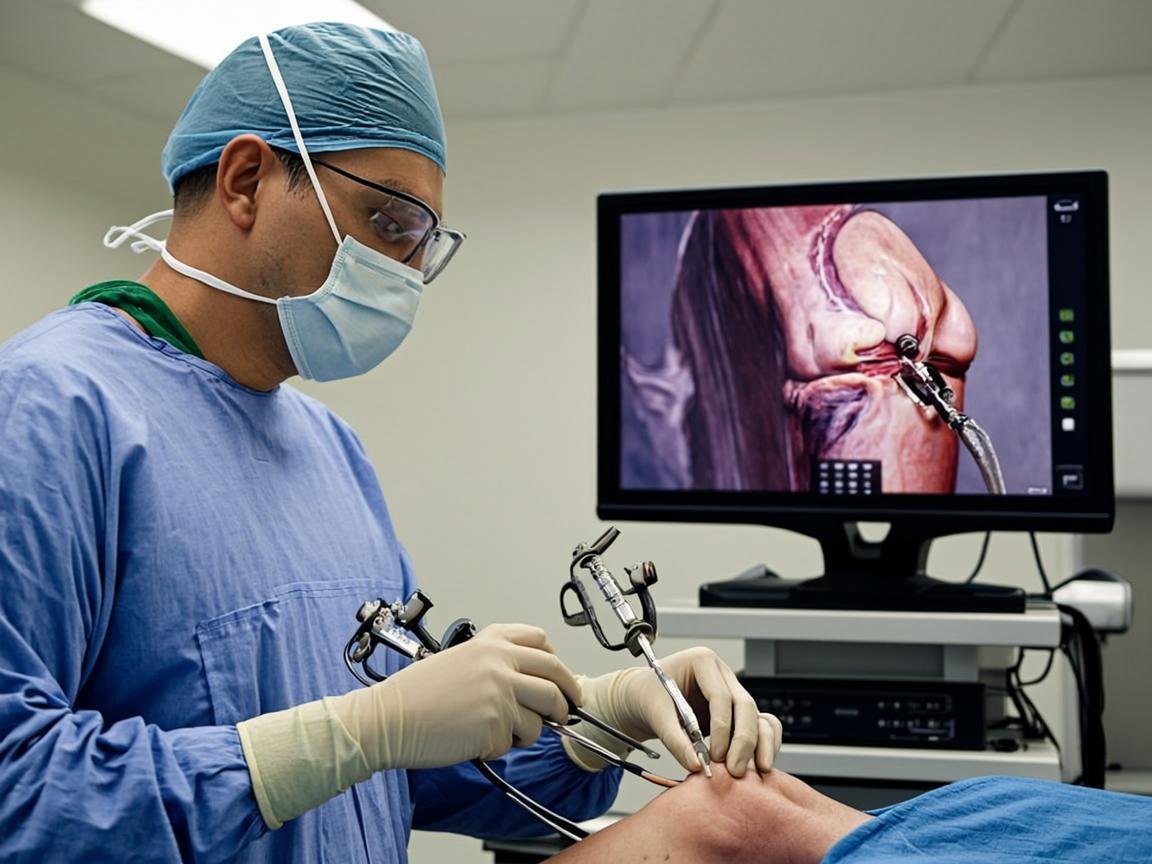
The anterior cruciate ligament (ACL) is one of the four major ligaments of the knee, and its primary role is to prevent the tibia (shin bone) from sliding too far forward relative to the femur (thigh bone). ACL tears are among the most common sports injuries, particularly in sports involving sudden stops, changes of direction, or jumping — such as football, cricket, and basketball. ACL reconstruction is a surgical procedure to replace the torn ligament with a graft, typically taken from the patient's own hamstring tendon or patellar tendon.
When Is Surgery Needed?
Not all ACL tears require surgery. Partial tears or tears in patients who are willing to modify their activities may be managed with physiotherapy and bracing. However, surgery is generally recommended for patients who wish to return to pivoting sports, those who experience recurrent episodes of instability (the knee giving way), and those with associated injuries such as meniscus tears that also require surgical treatment. Dr. Hannan discusses the pros and cons of surgical versus non-surgical management with each patient based on their specific situation and goals.
Recovery Timeline
ACL reconstruction recovery is a gradual process that typically spans six to nine months before a return to full sporting activity. The early weeks focus on reducing swelling, regaining knee movement, and beginning gentle strengthening. As healing progresses, the physiotherapy programme advances to include more challenging balance, agility, and sport-specific exercises. Return to competitive sport is typically permitted at around nine months, provided specific strength and functional milestones have been achieved.
Discuss ACL Reconstruction
Book a consultation to learn whether this procedure is appropriate for your condition.